
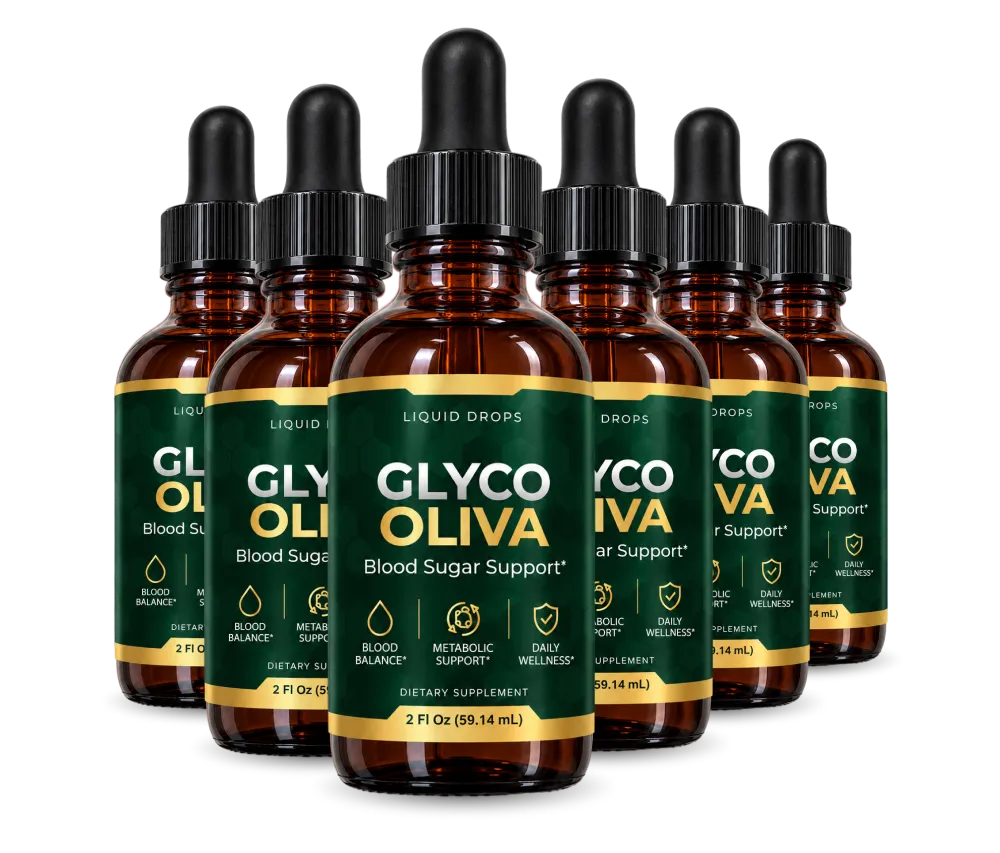
New Glyco Oliva Drops formulation combines chromium picolinate with five botanical extracts in a liquid supplement positioned for metabolic wellness.
Ogden, UT, Oct. 28, 2026 (GLOBE NEWSWIRE) -- GlycoOliva Drops has announced the launch of Glyco Oliva, a multi-ingredient liquid dietary supplement positioned for blood sugar support and general metabolic wellness. The formulation contains chromium picolinate, Gymnema sylvestre leaf extract, green tea leaf extract, grape seed extract, maca root extract, and ginseng root extract.
The introduction of Glyco Oliva brings together a trace mineral compound and five botanical ingredients in a liquid delivery format. Several of these ingredients have been investigated in nutritional research involving glucose metabolism, metabolic processes, and other physiological functions.
The launch announcement identifies the product's six ingredients and its intended nutritional category. It does not establish that the finished formulation lowers blood glucose, treats diabetes, or produces clinically demonstrated metabolic benefits.
GlycoOliva Introduces a Liquid Dietary Supplement
GlycoOliva is presented as a dietary supplement formulated with mineral and plant-derived ingredients. The product is positioned within the broader metabolic wellness category, which includes nutritional approaches associated with normal glucose metabolism and general dietary support.
The Glyco Oliva formulation contains ingredients with different botanical and nutritional characteristics. Chromium picolinate supplies a form of chromium, while the remaining ingredients are extracts obtained from plants used in nutritional products.
The introduction of GlycoOliva reflects the use of liquid delivery formats in the dietary supplement industry. Liquid formulations represent an alternative to tablets, capsules, and powders, although the delivery format alone does not demonstrate greater effectiveness or improved absorption.
Glyco Oliva is intended for blood sugar support, but this positioning should be distinguished from verified clinical outcomes. The available announcement information does not include human clinical trials evaluating the finished product.
The launch provides an opportunity to describe the formulation, the scientific background of its individual ingredients, and relevant considerations concerning dietary supplement use.
Understanding the Glyco Oliva Ingredient Composition
The GlycoOliva formulation contains six listed ingredients. Each has distinct nutritional characteristics and a different history of scientific investigation.
1. Chromium Picolinate
Chromium picolinate is a compound containing chromium, a trace mineral involved in normal macronutrient metabolism.
Chromium has been studied in relation to insulin activity and glucose metabolism. Research has examined whether chromium supplementation influences blood glucose measurements in certain populations, including people with metabolic disorders.
However, clinical findings have varied, and available evidence does not establish that chromium supplementation consistently improves blood glucose control in all individuals.
Glyco Oliva includes chromium picolinate as its mineral component.
The amount of chromium contained in each serving has not been supplied. This information is important because supplement dosage influences the interpretation of nutritional intake and safety considerations.
Chromium picolinate should not be considered a replacement for prescribed diabetes medication or professional medical care.
2. Gymnema Sylvestre Leaf Extract
Gymnema sylvestre is a climbing plant native to tropical regions, particularly parts of India and Southeast Asia.
Its leaves have a history of use in traditional botanical practices. The plant contains naturally occurring compounds known as gymnemic acids, which have been investigated for their effects on sweet-taste perception and aspects of glucose metabolism.
GlycoOliva includes Gymnema sylvestre leaf extract among its botanical ingredients.
Scientific studies involving Gymnema sylvestre have examined several metabolic outcomes, but research findings depend on the extract, concentration, dosage, and population studied.
The presence of Gymnema sylvestre in Glyco Oliva does not independently establish that the finished supplement improves blood glucose regulation.
The announcement does not specify the concentration or standardization of the extract.
3. Green Tea Leaf Extract
Green tea leaf extract is derived from Camellia sinensis, a plant widely used in beverages and nutritional preparations.
Green tea contains naturally occurring polyphenols, including catechins. One commonly studied catechin is epigallocatechin gallate, also known as EGCG.
Research involving green tea has explored antioxidant activity, metabolic processes, and several other physiological outcomes.
Glyco Oliva incorporates green tea leaf extract as part of its botanical combination.
Although some investigations have examined green tea constituents in relation to metabolic health, findings involving individual compounds or beverages cannot automatically be applied to a commercial multi-ingredient supplement.
The GlycoOliva ingredient information does not identify the extract's catechin concentration or caffeine content.
Concentrated green tea extracts may also present safety considerations. Certain preparations have been associated with liver-related adverse effects, particularly when consumed at elevated doses.
4. Grape Seed Extract
Grape seed extract is obtained from grape seeds and contains naturally occurring polyphenolic compounds, including proanthocyanidins.
These compounds have been studied for their chemical properties and potential involvement in biological processes associated with oxidative stress.
GlycoOliva Drops includes grape seed extract as one of its five botanical ingredients.
Scientific research involving grape seed extract has investigated several cardiovascular and metabolic measurements. However, findings differ across study designs and extract preparations.
The inclusion of grape seed extract in Glyco Oliva should therefore be understood as a formulation characteristic rather than evidence of a specific blood sugar benefit.
Information concerning the concentration of polyphenols or the extract's standardization has not been provided.
5. Maca Root Extract
Maca, scientifically known as Lepidium meyenii, is a plant traditionally cultivated in the Andean regions of South America.
Its root has a long history of dietary use and contains several naturally occurring plant compounds.
Maca has been investigated in nutritional research concerning different aspects of physiological wellness, although evidence supporting specific metabolic effects remains limited.
Glyco Oliva includes maca root extract as part of its multi-ingredient composition.
The inclusion of maca does not establish that GlycoOliva improves insulin sensitivity or regulates blood glucose.
The announcement does not specify the maca extract ratio, concentration, or amount included per serving.
6. Ginseng Root Extract
Ginseng is a botanical ingredient associated with several plant species, including Panax ginseng.
Ginseng preparations may contain compounds known as ginsenosides, whose concentrations vary according to species, cultivation methods, and processing.
Research has examined certain ginseng preparations in relation to glucose metabolism and other physiological outcomes.
GlycoOliva includes ginseng root extract among its botanical ingredients.
Some human studies have investigated ginseng supplementation and metabolic measurements, but findings cannot be generalized to every ginseng product.
The Glyco Oliva ingredient information does not identify the species, dosage, or standardized ginsenoside content.
These details are relevant when assessing botanical preparations and their potential interactions with medications.
Blood Sugar Support and Metabolic Wellness
The Glyco Oliva launch positions the formulation within the blood sugar support category.
Blood glucose is an important component of normal metabolism. The body regulates circulating glucose through coordinated physiological processes involving hormones, organs, and cellular activity.
Insulin, produced by the pancreas, plays a central role in helping regulate blood glucose concentrations.
Glucose regulation can be influenced by dietary patterns, physical activity, sleep, medication use, and underlying health conditions.
The GlycoOliva formulation contains ingredients that have individually appeared in metabolic research. However, ingredient-level investigations do not establish the effectiveness of a finished commercial supplement.
No product-specific clinical trial findings have been supplied for Glyco Oliva Drops.
Consequently, claims that the formulation lowers blood glucose, improves insulin sensitivity, or prevents metabolic disease would require additional evidence.
The product's stated purpose is nutritional support, not the diagnosis or treatment of diabetes or other medical conditions.
Liquid Supplement Delivery Format
Liquid supplements are used across several nutritional categories and may contain dissolved or suspended ingredients, depending on their formulation.
Glyco Oliva combines chromium picolinate and botanical extracts within this delivery format.
Liquid presentation can influence packaging and serving instructions, but it does not automatically establish faster absorption, greater bioavailability, or superior clinical performance.
Such conclusions would require testing specific to the finished formulation.
The available GlycoOliva product information does not include serving volume, recommended administration frequency, or detailed packaging specifications.
These details are relevant to understanding how the formulation is intended to be used.
Ingredient Transparency and Label Information
Accurate labeling is an important part of dietary supplement communication.
The Glyco Oliva announcement identifies six ingredients but does not provide the individual quantities contained in each serving.
Ingredient amounts are particularly relevant when products contain trace minerals and concentrated botanical extracts.
For GlycoOliva, information about chromium dosage, botanical extract ratios, and standardization would help consumers and healthcare professionals evaluate the composition.
Botanical extracts may differ substantially depending on plant species, growing conditions, extraction methods, and manufacturing processes.
Two preparations derived from the same plant may not contain equivalent concentrations of their naturally occurring compounds.
The current Glyco Oliva ingredient list provides an overview of the formulation without establishing its complete quantitative composition.
Additional product documentation, including a Supplement Facts panel and appropriate manufacturing disclosures, would provide further context.
Scientific Evidence and Formulation-Specific Research
The introduction of GlycoOliva highlights the importance of distinguishing between scientific research involving individual ingredients and evidence concerning a complete supplement.
Studies involving chromium picolinate, Gymnema sylvestre, green tea, grape seed, maca, or ginseng may provide background information about particular compounds.
However, their conclusions depend on the formulation studied, participant characteristics, dosage, and research methods.
Combining several ingredients does not necessarily produce additive or enhanced effects.
The Glyco Oliva formulation would require appropriate product-specific research before conclusions could be drawn about its effectiveness for blood sugar support.
GlycoOliva Drops has not been accompanied by clinical trial results in the information provided for this announcement.
Accordingly, the formulation's intended metabolic wellness positioning should not be interpreted as clinical confirmation of blood glucose benefits.
Safety and Responsible Supplement Use
Dietary supplements may contain biologically active ingredients, and their suitability can vary among individuals.
Glyco Oliva contains ingredients that warrant particular consideration for people managing blood glucose conditions.
Chromium picolinate and Gymnema sylvestre may be relevant to individuals taking glucose-lowering medications.
Certain ginseng preparations may also affect blood glucose measurements or interact with medications.
Green tea extracts can vary in caffeine and catechin content, and concentrated preparations may present additional safety considerations.
Because the exact ingredient quantities in GlycoOliva have not been supplied, the safety profile of the complete formulation cannot be established from the ingredient list alone.
Individuals with diabetes, hypoglycemia, liver disease, or other medical conditions should consult an appropriately qualified healthcare professional before using dietary supplements.
Pregnant or breastfeeding individuals and people taking prescription medications should also seek individualized medical advice.
Glyco Oliva Drops is not intended to replace prescribed treatment, glucose monitoring, dietary management, or other medical recommendations.
Product Launch and Availability Information
The October 28, 2026, introduction of GlycoOliva Drops marks the announced launch of the liquid dietary supplement.
The Glyco Oliva formulation contains chromium picolinate and five botanical extracts and is positioned within the blood sugar support and metabolic wellness category.
The launch information establishes the product's stated ingredient composition and intended nutritional positioning.
Details concerning serving quantities, manufacturing location, distribution arrangements, and independent product testing have not been supplied.
GlycoOliva enters the dietary supplement category as a newly announced formulation, with additional technical documentation needed to support more detailed conclusions about its composition and performance.
Frequently Asked Questions
What is Glyco Oliva?
Glyco Oliva is a multi-ingredient liquid dietary supplement introduced on October 28, 2026. The formulation contains chromium picolinate and five botanical extracts and is positioned for blood sugar support and general metabolic wellness.
What ingredients are included in GlycoOliva?
GlycoOliva contains chromium picolinate, Gymnema sylvestre leaf extract, green tea leaf extract, grape seed extract, maca root extract, and ginseng root extract. The amounts of individual ingredients have not been provided.
What is Glyco Oliva Drops intended for?
Glyco Oliva Drops is positioned as a dietary supplement for blood sugar support. This describes its intended nutritional category and does not establish that the product lowers blood glucose or treats metabolic disorders.
Has GlycoOliva been clinically tested?
No clinical trial results evaluating the complete GlycoOliva formulation have been supplied. Research involving individual ingredients cannot establish the effectiveness of the finished product.
Can Glyco Oliva replace diabetes medication?
No. Glyco Oliva is described as a dietary supplement rather than a medication. People managing diabetes should continue following their prescribed treatment plans and consult healthcare professionals before considering additional supplements.
What information is available about Glyco Oliva Drops?
Glyco Oliva Drops has been introduced as a liquid supplement containing six listed ingredients. Information about serving sizes, ingredient quantities, extract standardization, and manufacturing specifications has not been provided.
About GlycoOliva Drops
Glyco Oliva Drops is a newly introduced multi-ingredient liquid dietary supplement marketed under the Glyco Oliva name. The formulation contains chromium picolinate, Gymnema sylvestre leaf extract, green tea leaf extract, grape seed extract, maca root extract, and ginseng root extract. Announced on October 28, 2026, the product is positioned for blood sugar support and metabolic wellness. No product-specific clinical efficacy findings have been supplied as part of the announcement.
CONTACT: email address: support@glycooliva.com

Phone Number +1 (833) 401-0028.







Comments (0)
Login to join the conversation
Login / RegisterNo comments yet. Be the first to comment!